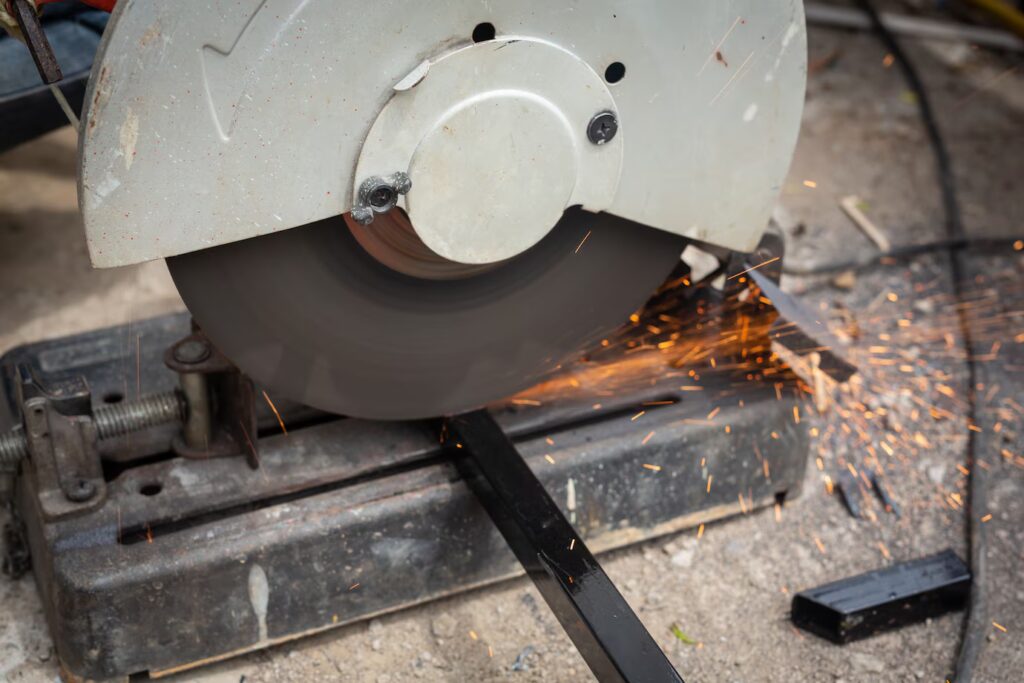
In the recycling industry, efficiency and cost control are vital for profitability. Key to this is the cutting blades, which shred and reduce waste materials. However, with heavy use, these blades become dull, therefore slowing operations and increasing costs. Regular sharpening isn’t just maintenance; it’s a cost-saving strategy. At General Maintenance & Diagnostics Ltd, we recognise the importance of well-maintained blades for optimal recycling machinery performance. This blog will discuss how blade sharpening reduces costs, enhances efficiency, and extends lifespan.
-
Blade Sharpening Reduces Costs and Reduces Energy Consumption
When blades are dull, recycling machines need to work harder to cut through plastics, metals, and other materials. This added strain on power consumption, which directly translates into higher energy bills. A sharp blade, on the other hand, slices through materials with minimal resistance, allowing the machinery to operate more efficiently and consume less energy.
Over time, even small reductions in power usage add up to substantial savings—particularly for recycling facilities that run machinery around the clock. By investing in regular blade sharpening, companies can lower operational costs while also reducing their carbon footprint.
-
How Blade Sharpening Lowers Recycling Costs while Boosting Productivity
Time is money in the recycling industry. Dull blades slow down the cutting process, leading to lower output and increased downtime. This means fewer materials can be processed within the same timeframe, reducing overall profitability.
Sharpened blades allow machines to cut faster, cleaner, and more consistently. This not only boosts productivity but also minimises the risk of costly bottlenecks. For recycling businesses handling large volumes of materials, the increased throughput directly improves profitability and helps meet customer demand more effectively.
-
Lower Repair and Replacement Costs
Running machinery with blunt blades places unnecessary strain on motors, bearings, and other components. Over time, this added stress can lead to breakdowns and expensive repairs. In the worst cases, it can even cause permanent damage to the machine, requiring costly replacements.
Sharpening blades is a preventative maintenance measure that reduces wear and tear on other parts of the equipment. By ensuring that blades remain in peak cutting condition, recycling companies can extend the lifespan of their machinery and avoid unexpected repair costs.
-
Improved Material Quality
The quality of the recycled output is just as important as the volume produced. Dull blades often create uneven or ragged cuts, which can reduce the quality of the shredded material. This makes it harder to reprocess and can lower the resale value of recycled products.
In contrast, sharp blades produce cleaner, more uniform cuts. This results in higher-quality material that is easier to handle, sort, and repurpose. Ultimately, this means recycling companies can generate greater revenue from their processed materials while also improving their reputation for quality.
-
Reduced Machine Downtime
Unscheduled downtime is one of the biggest contributors to high operating costs in recycling facilities. When blades become dull and machines fail, operations grind to a halt. Emergency repairs are not only expensive but also disrupt workflow and reduce customer satisfaction.
Routine blade sharpening helps prevent these costly interruptions. By scheduling sharpening as part of a planned maintenance programme, recycling companies can keep equipment running smoothly and minimise downtime. This proactive approach saves both time and money in the long run.
-
Extended Blade Lifespan
Blades are a significant investment for recycling companies, and replacing them too frequently can quickly eat into profits. However, regular sharpening helps extend the lifespan of blades by preventing excessive wear and damage.
Instead of prematurely investing in new blades, companies can maximise value out of their existing equipment. This approach not only saves money but also contributes to more sustainable business practices by reducing the need for new parts and resources.
-
Blade Sharpening Reduces Costs and Safer Working Conditions
Blunt blades don’t just affect efficiency—they can also compromise safety. When machinery is forced to work harder due to dull blades, there is a higher risk of jams, sudden stops, or mechanical failures, which can pose a danger to operators.
Sharp blades reduce the risk of malfunctions, creating a safer working environment for staff. This helps companies avoid costly accidents, downtime, and potential liability issues.
How General Maintenance & Diagnostics Ltd Can Help
At General Maintenance & Diagnostics Ltd, we provide comprehensive blade sharpening services designed to keep recycling machinery in peak condition. Our skilled engineers use industry-leading techniques to restore blades to their optimal sharpness, ensuring they deliver maximum performance and efficiency.
Beyond blade sharpening, we also offer regular maintenance, emergency repairs, and performance optimisation to keep your recycling equipment running smoothly. By choosing us, you’re not just extending the life of your machinery—you’re reducing costs, boosting productivity, and ensuring the long-term success of your business.
Final Thoughts on How Blade Sharpening Reduces Recycling Costs
Blade sharpening may seem like a small task, but its impact on recycling costs is significant. From reducing energy consumption and preventing breakdowns to improving material quality and productivity, sharp blades are at the heart of an efficient recycling operation.
By making blade sharpening a regular part of your maintenance routine, you can lower operational expenses, extend the lifespan of your equipment, and maximise profitability.
If you’re looking for a reliable partner to help maintain your recycling machinery, General Maintenance & Diagnostics Ltd is here to help. Contact us today to learn more about our blade sharpening and maintenance services.